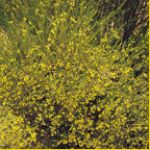
| Common Name: |
Rooibos |
| Other Names: |
Red bush |
| Botanical Name: |
Aspalathus linearis syn. A. contaminatus, Psoralea linearis |
| Genus: |
Aspalathus |
| Family: |
Fabaceae |
| Native Location: |
S. Africa |
| Cultivation: |
Acid sand, in full sun. Pinch out to encourage bushy growth. Cut plants back hard to control growths from old wood. |
| Propagation: |
By seed sown in spring. |
| Harvest: |
Plants are cut 35cm (14in) above ground, fermented, and sun dried for use in infusions, liquid extracts, and lotions. |
| Height: |
2m (6ft) |
| :Width |
2m (6ft) |
| Hardiness: |
Z9-10 |
| Parts Used: |
Leaves, stems |
| Properties: |
An aromatic, pleasant-tasting, mildly astringent herb that benefits the digestion and relaxes spasms. It relieves some allergic symptoms and skin conditions. |
| Medicinal Uses: |
Internally for allergies, especially eczema, hay fever, and asthma in infants. Externally for skin infections and irritations. |
| Culinary Uses: |
As a low tannin, caffiene-free substitute for China/India tea, marketed as rooibosch, kaffree, or redbush tea. Also as a basis for soups, sauces, fruit drinks, and in baking. Extract is used locally in liqueur (buchenbosch) and schnapps. |
| Bibliography: |
Encylopedia of Herbs by Deni Brown Copyright ©: 1995, 2001 Dorling Kindersley Limited pp 135
|